Product
·
6
min read
5 reasons your next project needs a product manager

Jáchym Vintr

Plenty of digital products fail with perfectly good code behind them. Somewhere along the way, the team ends up building the wrong thing, in the wrong order, at the wrong time. A good product manager (PM) is how you avoid that, and they cost a fraction of what you’d otherwise waste on development.
We've already covered what a product manager actually does, and the myths worth dropping. This piece is the business case. If you're a founder, a CTO, or anyone signing off on a budget, here are five reasons we'd argue for a PM on the project from day one.
1. Good ideas always outnumber the budget
Every digital product starts with a wish list longer than the budget can cover. That's normal. What sinks projects is shipping the wrong subset first, or worse, trying to ship everything.
A PM helps make those choices, backed by data. They run early discovery, talk to users, and weigh features by the value they'll bring to real customers. The result is a roadmap that starts with the features most likely to pay off, with the rest parked for a future release.
2. The client, engineers, and designers need a bridge
All three groups usually want the same outcome. The trouble is that each of them describes it in a completely different language.
For the client, everything comes down to business outcomes. For the engineers, it's trade-offs and constraints. For the designers, user flows and edge cases. Without someone translating between them, meetings drift, decisions get vague, and people leave the room with different ideas of what was agreed.
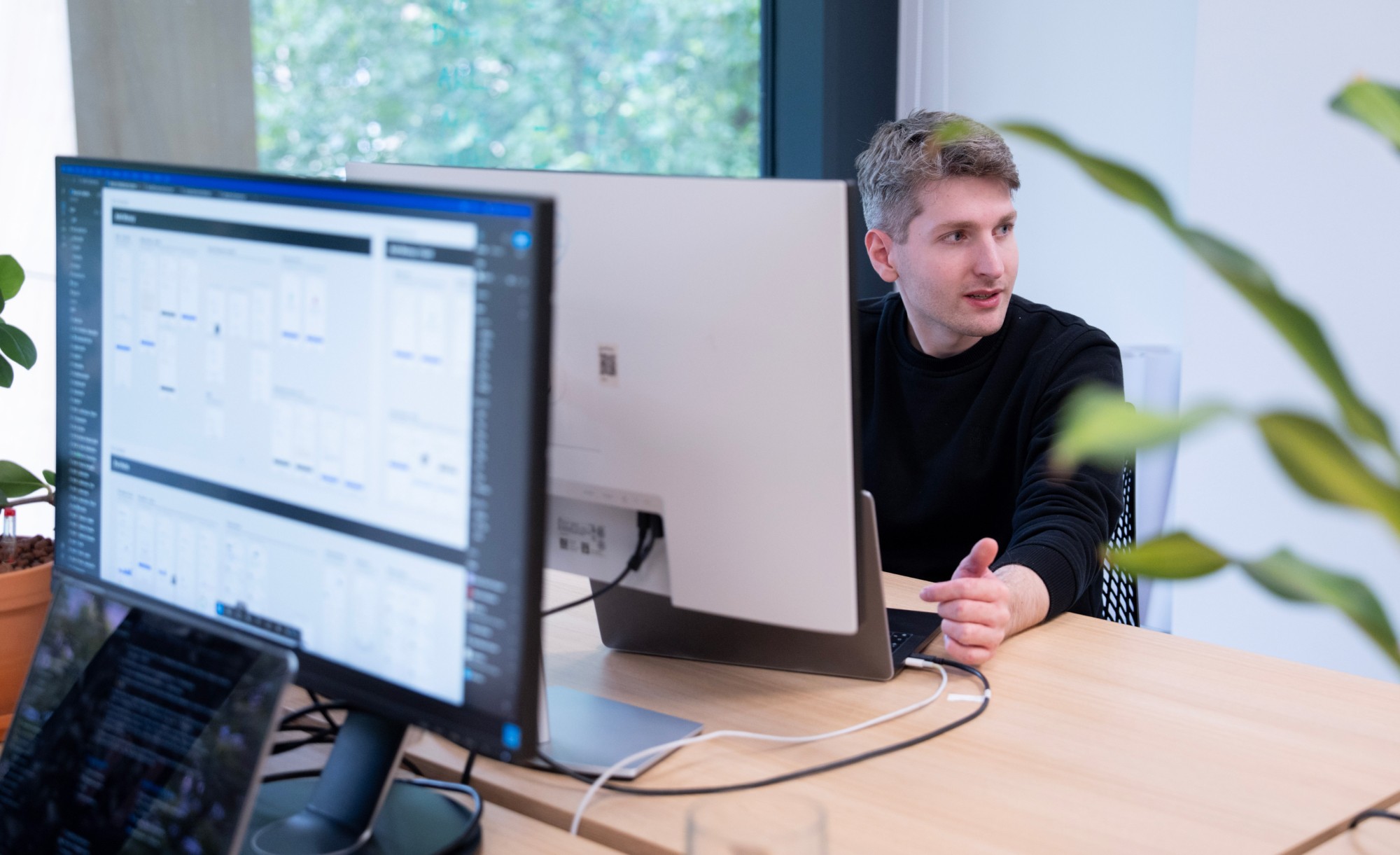
A PM facilitates the conversation, runs workshops, and prepares what each side needs: clear specs for engineers, design intent for designers, and decisions logged for the client. They're also one corner of what we call the product trio: the PM, designer, and solution architect who together make sure business, user, and technical perspectives all get a voice in early decisions.
3. De-risking the project before development starts
"Discovery" is a term that gets tossed around a lot, often as shorthand for chatting with a few users. If done properly, it goes much deeper. The real point of discovery is to catch the four risks that sink most digital products before a single line of production code gets written:
Value: Will customers actually want this?
Usability: Can they figure out how to use it?
Feasibility: Can we build it with the time and tech we have?
Viability: Does it make business sense for you to run it?
A PM owns this process. They run user interviews, study the competition, compare pricing models, and pressure-test assumptions before they turn into expensive mistakes.
On bigger projects, we often kick things off with a five-day Design Sprint that ends with a clickable prototype tested on five real users from the target group. That one week of work has saved many clients from months spent building something their users didn't need.
4. You know the business, a PM knows the engineering
You know your industry, customers, regulations, and competitors. You also handle the stakeholders on your side: leadership, the board, and anyone whose buy-in matters. That's domain expertise plus stakeholder management, and no PM can replace it.
What you might not know is whether a seemingly small change takes two hours of work or two months. A PM with real engineering exposure can tell you, fast. They know which requirements are quietly massive (anything touching user login, billing, or third-party integrations, usually) and which look scary but are easy. That judgment alone keeps the roadmap grounded in reality.
5. Keeping the moving parts in sync
Design, backend, frontend, content, quality assurance, infrastructure: on any decent-sized product, all of these run in parallel. When one stalls, the rest stall with it.
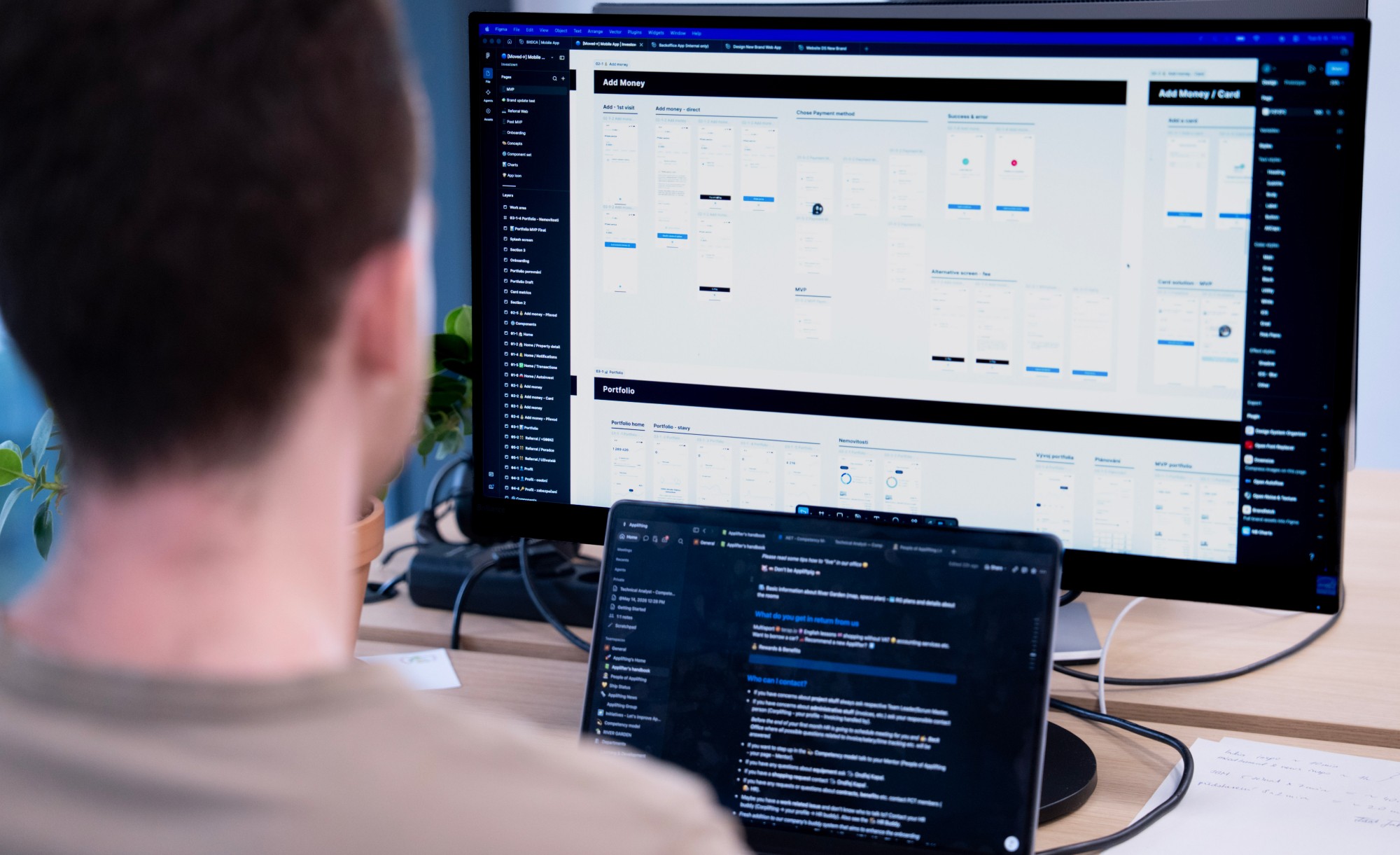
A PM watches the seams. They make sure designers finish screens before developers need them. They unblock engineers waiting on a copy decision. They flag dependencies before they turn into missed deadlines. The same coordination carries into release week, when deployment, monitoring, and the first user feedback all land at once. It's unglamorous work, but it's the difference between a smooth two-month build and a four-month grind where everyone blames everyone else.
The payoff of having a PM
Bring a PM in early, and you get one thing above all: confidence that your budget is going toward work that matters. You build less, but the right less. You ship sooner. You learn faster. And you avoid the worst outcome for any digital product, which is finishing a polished version of something nobody wants.
At Applifting, every new digital product we build starts with a PM on the call. They're there to make sure your budget delivers the most value at every step: scoping the first version, keeping the build on track, and reading the data after launch to shape what comes next.
Thinking about your next product? Send us a brief, and we'll tell you where your budget will return the most value, where it would be wasted, and how a PM would scope the first three months.