Culture
·
6
min read
Scaling “teal”: The evolution of leadership in Applifting

Filip Kirschner
At Applifting, we’ve always believed that freedom and responsibility go hand in hand. But as we grew from a small group into a large organisation, we realised that a flat structure doesn't automatically lead to a productive workflow.
Let us take you through our honest journey of scaling leadership: from the early days of pure self-management to the creation of our Council of Elders, and finally, to our current structure involving a dedicated leadership team. It’s a look at how we’re keeping the teal principles and protecting our core values while building a management model that actually scales.
How did we get where we are?
When Applifting started, we focused on self-management. It worked well for small, decentralised teams, but as we grew, it became less sustainable. Eventually, we hit a point where people were spending more time on self-management than on their actual work.
When this happened, strategic tasks got delayed, and people became less happy. To keep things moving and help everyone focus on what they enjoy, the founders, Filip (me) and Vratislav, stepped in to handle the growing management load themselves. It was simply work that had to be done, so why not make it easy for Applifters and do it?
Step one: The Council
To keep Applifting driven by Applifters, not just us as the founders, we established the Council of Elders. It started with four people, but soon grew to six Applifters. They are elected for an 18-month mandate with elections every six months to rotate two seats.
For a while, it worked beautifully: the workload was shared, and because Council members were elected by their peers, they held the genuine trust of the whole team.
But as we continued to scale, so did the administrative burden¹⁾. We realised that since Council members still had their day-to-day work—and with two seats rotating every six months—it was difficult to maintain momentum on complex, long-term executive tasks. Despite our best efforts, much of the work began falling back onto me and Vratislav once again.
Step two: The C-team
We looked for a solution around August 2024. There were several other options, like an indefinite mandate for Council members or full-time allocation; however, we felt like this would either defy the Council principles (indefinite mandate) or not be feasible on projects (full-time allocation).
Instead of forcing a synthetic solution, we looked at how we were already evolving. Several people had naturally drifted toward specific strategic areas, and it felt like a natural next step to formalise these roles—giving them the space and mandate to fully focus on the domains they were already driving forward.
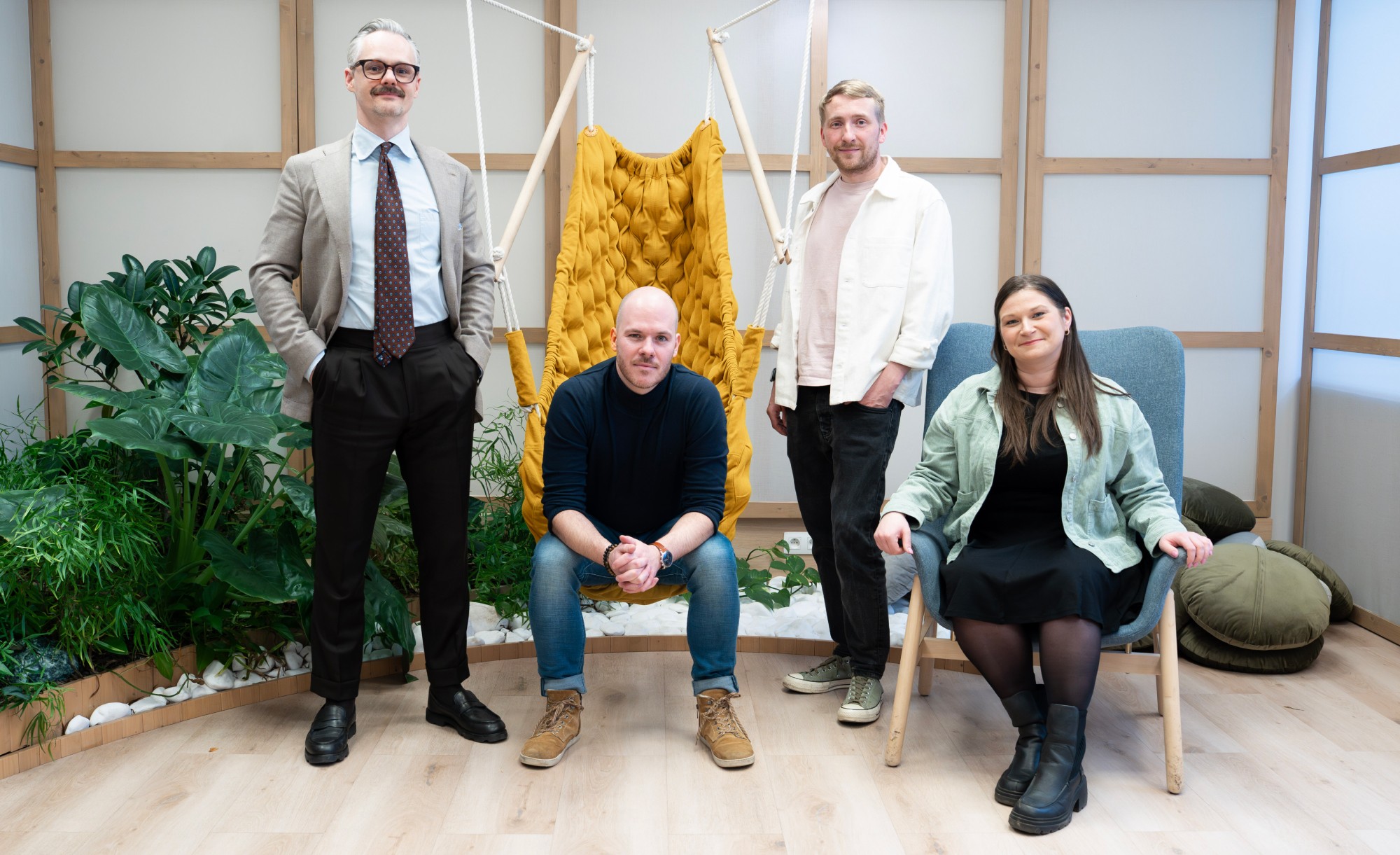
This led to the formation of our C-team, bringing a more permanent structure to these key leadership areas:
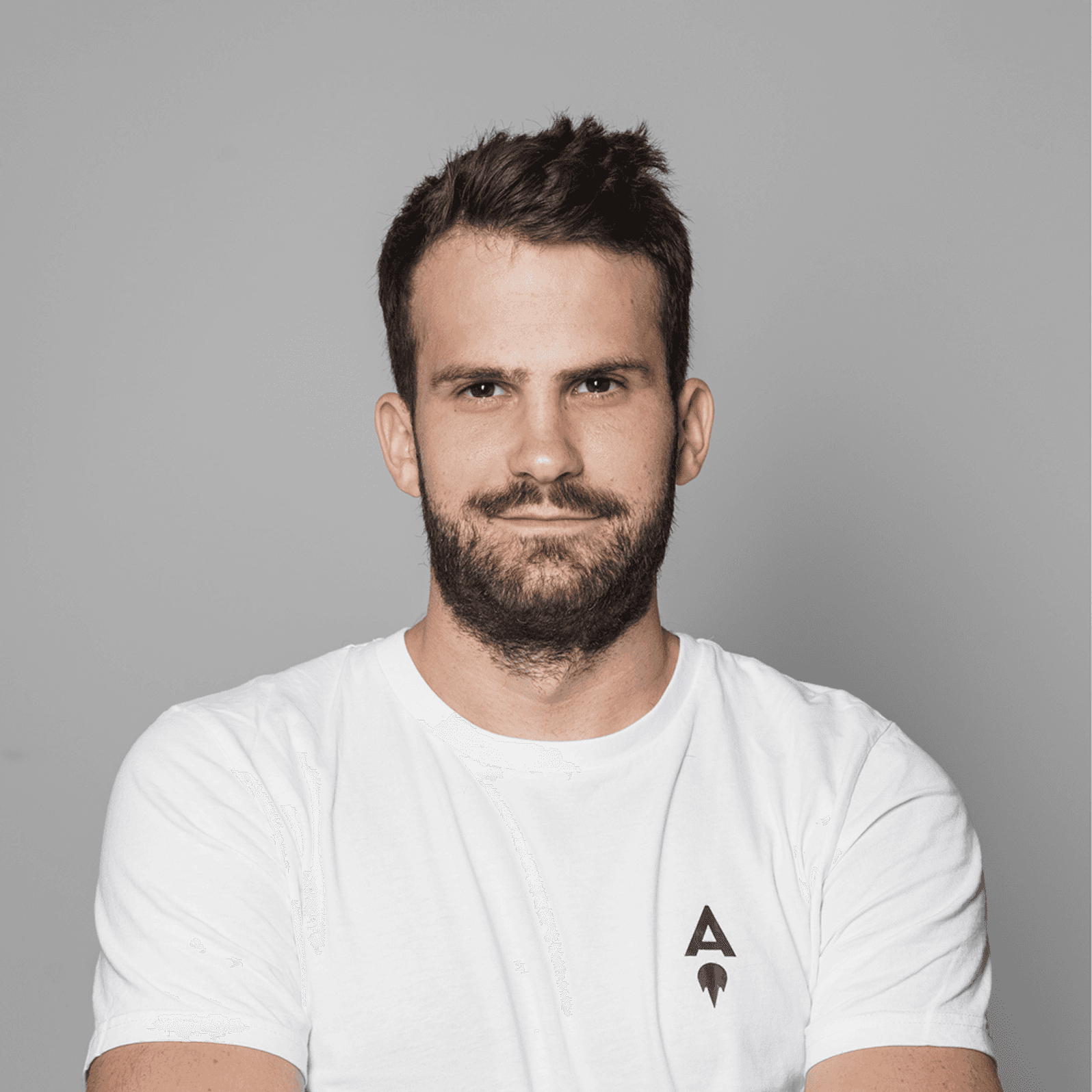
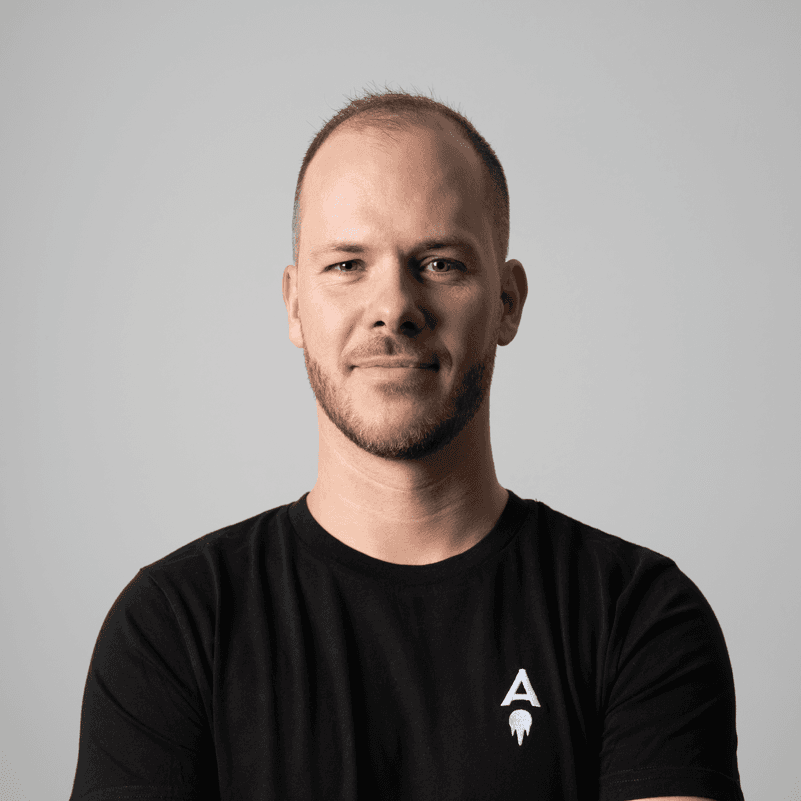
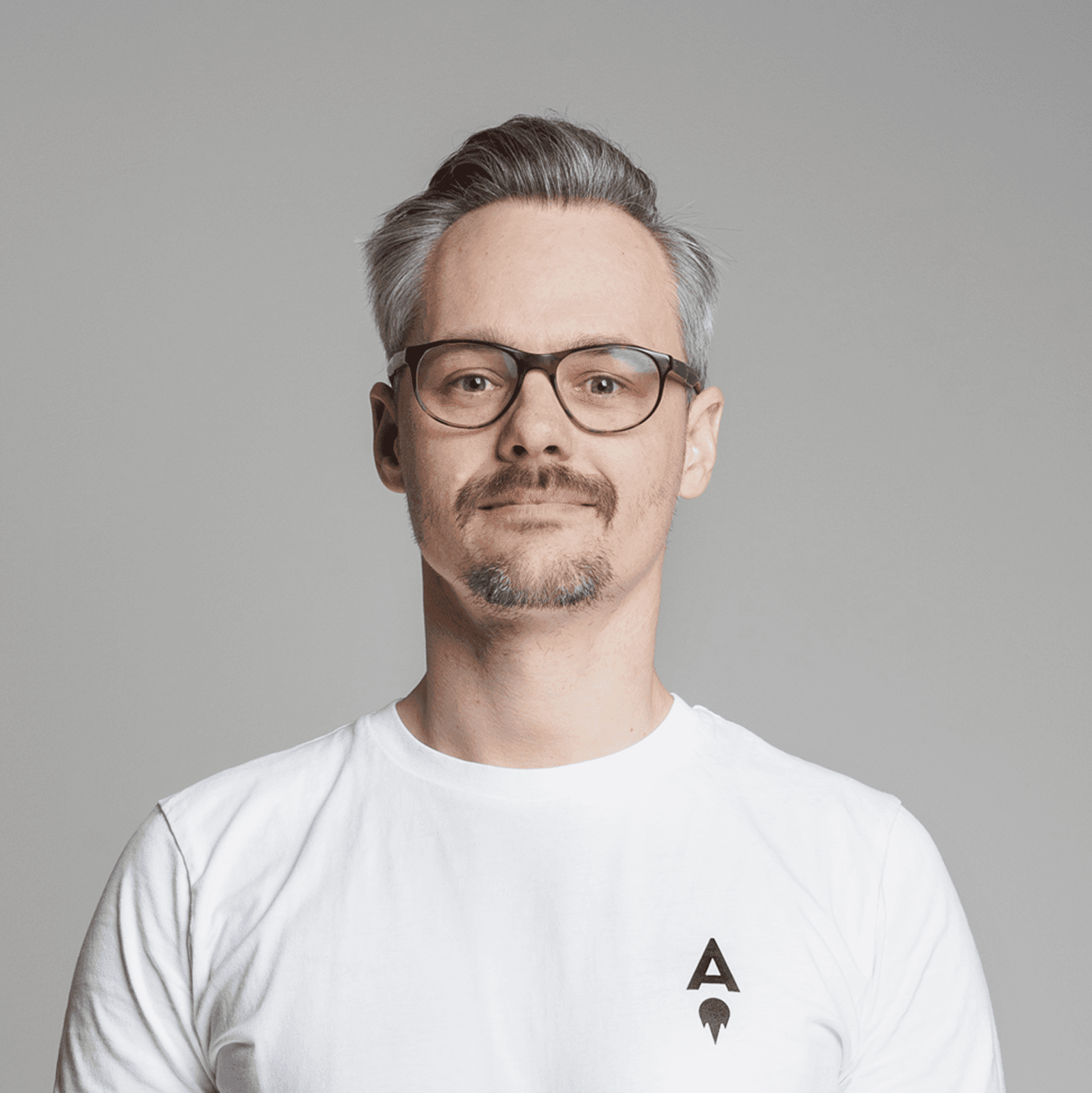
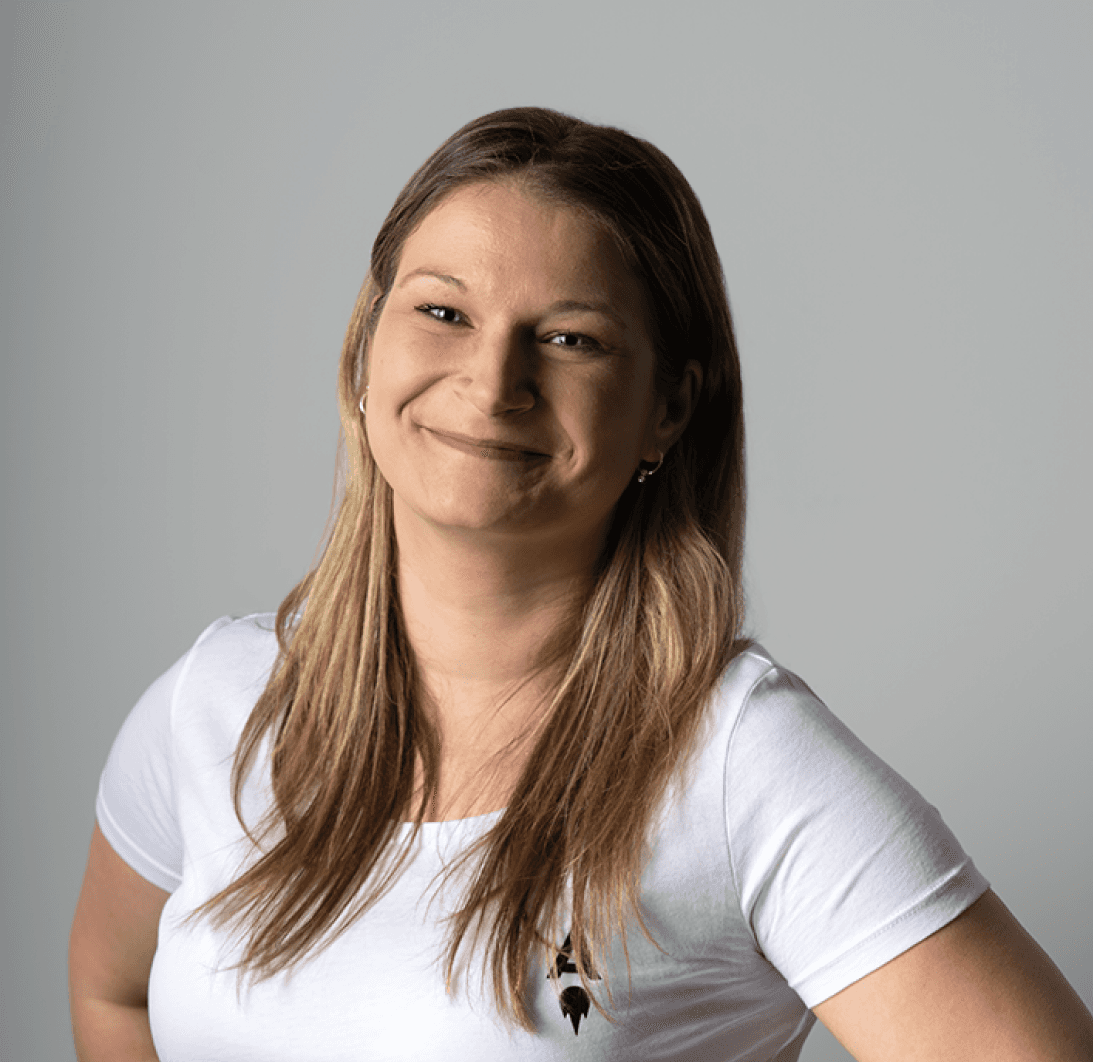
Jan Černý – CEO
Lukáš Rychtecký – CTO
Martin Balák – COO
Veronika Bringlerová – CFO
We felt this would be a risky move for Applifting if done recklessly, so the Council, with me and Vratislav, designed a system with necessary precautions in mind. We then launched a pilot program to test how it would work in practice, and eventually, the new structure was officially approved by a vote from all Applifters.
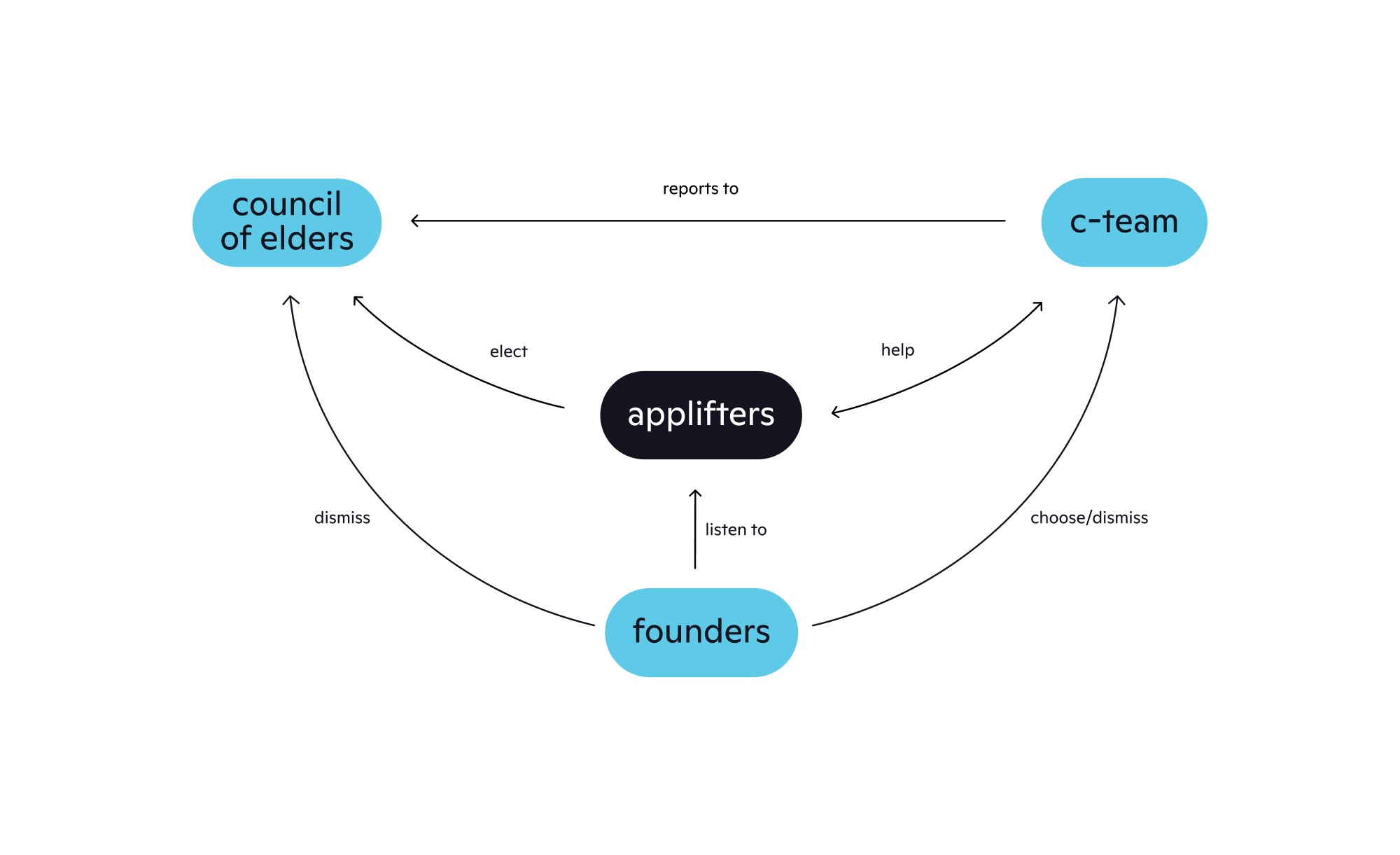
To make sure all actors act according to Applifting’s values, we also created the C-team codex and Council member codex. This established their role not as bosses, but as servant leaders—and focused on teal principles of leadership.
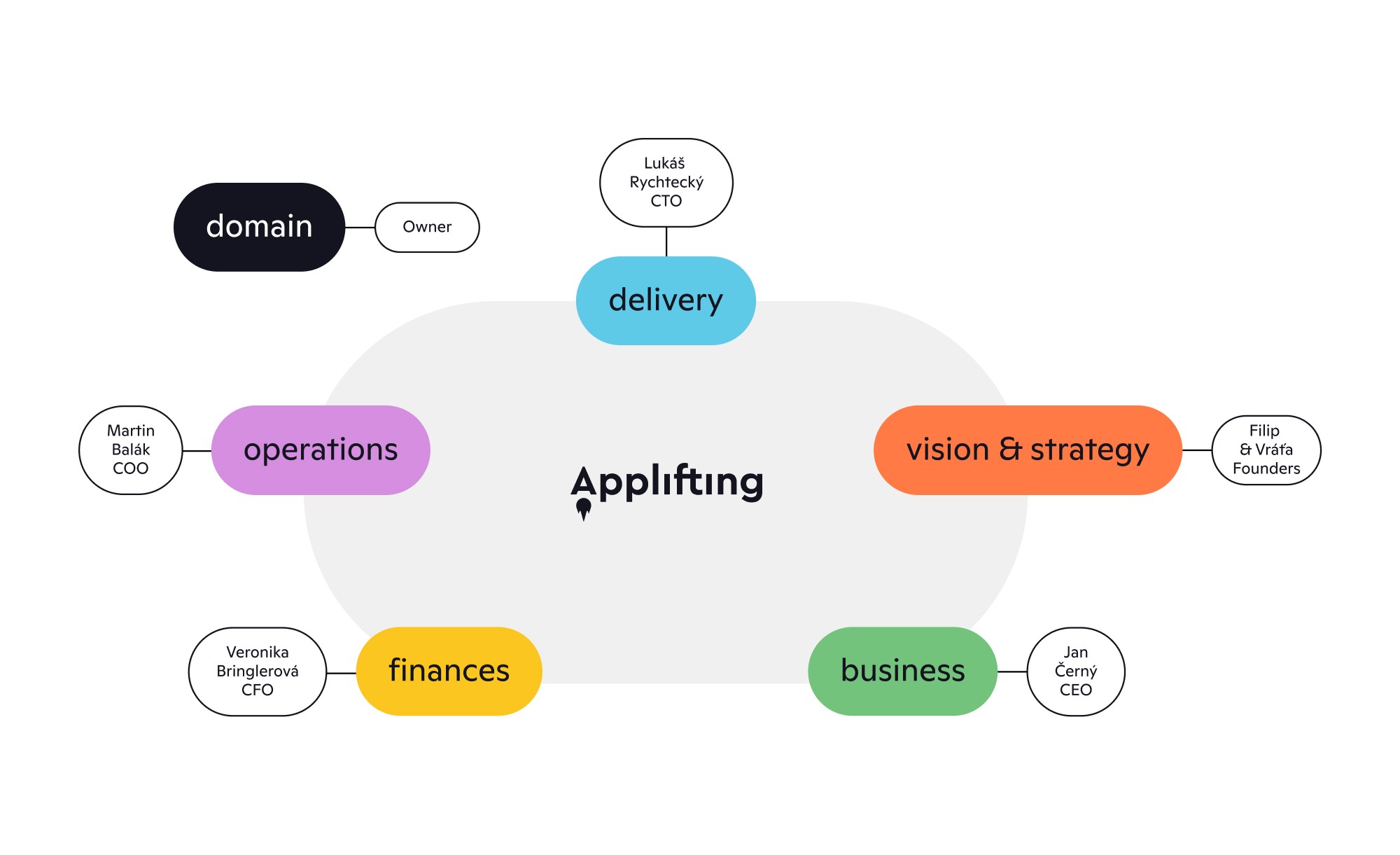
The “domains” of Applifting
The current structure of Applifting was not well documented, understood, or talked about—and this caused some confusion regarding responsibilities.
In the image below, the current structure is described using the terminology from Holacracy:
Domains are autonomous units of Applifting. You can think of them as services provided to the rest of the organisation.
Domain owner is a role responsible for the smooth running of the domain, and communication and cooperation with the rest of Applifting.
Where is the teal?
At first glance, having a CEO, CTO, CFO and COO might feel like we are “going backwards” into hierarchy. But teal is not about eliminating management. It’s about making sure management is a role, not a rank. In our world, leadership is always in service of the whole, not about giving orders.
A good example is Patagonia — one of the most famous teal companies.
On paper, they look like a normal company: they have a CEO and departments. But in practice, they are driven by a mission (“We’re in business to save our home planet”) rather than shareholders. Decision-making is decentralised, and employees have a lot of autonomy. Even their compensation system reflects fairness and trust rather than hierarchy—executive pay is capped, salary bands are transparent, and profits are shared across the company.
That’s very close to what we are doing at Applifting:
We also have a C-team, but they should not be automatically respected because of the ‘C’ in their title. What matters is that they earn respect by showing every day, through their actions, that they belong in those roles.
We also emphasise purpose over control: our vision is to create digital products with a positive impact (see our Vision & Mission), and our structures are here to support that, not to get in the way.
Like Patagonia, we rely on trust, transparency, and values to keep leadership teal, not on rigid hierarchies.
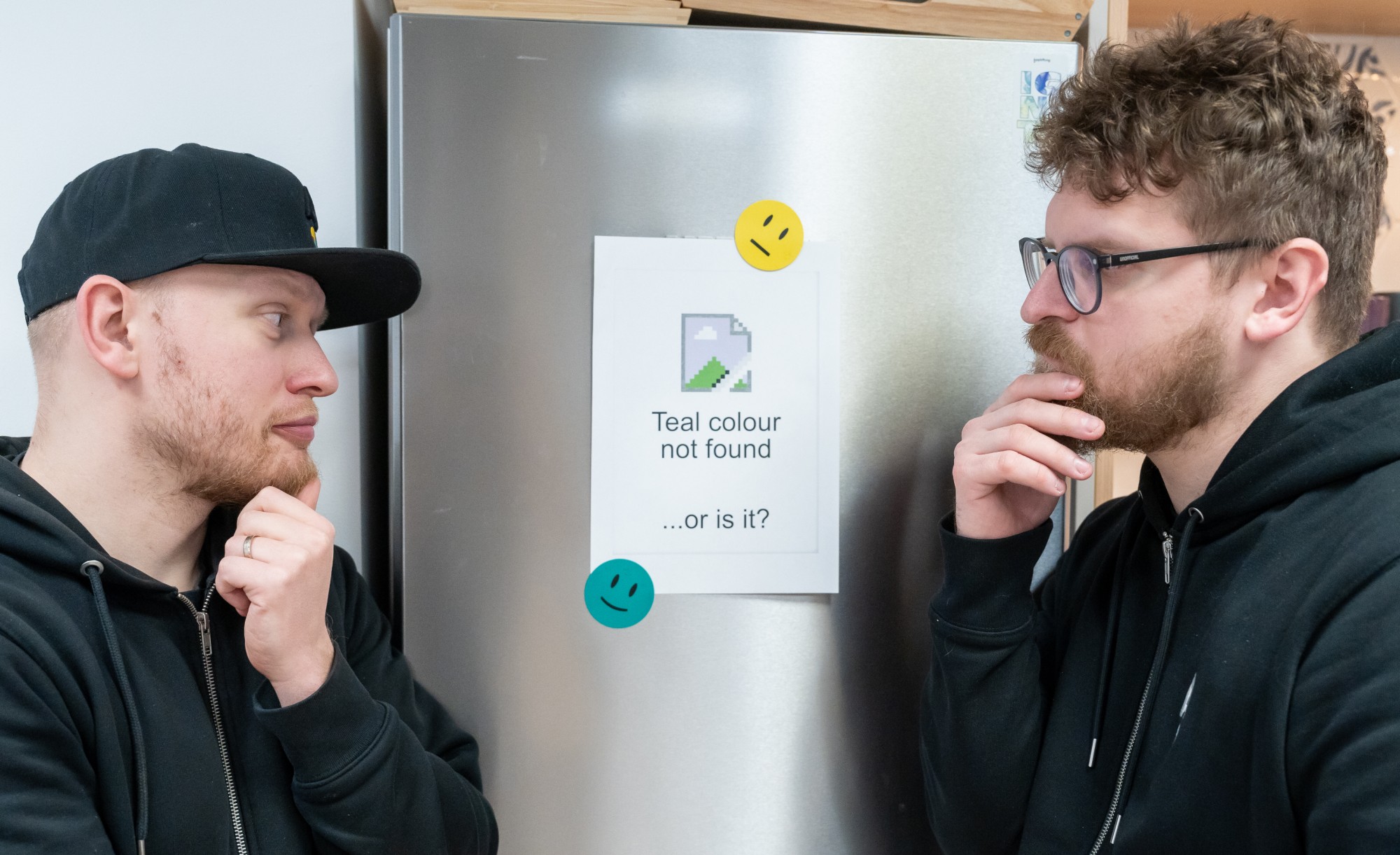
So where is the teal?
In the way Applifters still have the freedom and responsibility to make decisions, challenge leaders, and shape the company’s future. The C-team is here to support this culture and to make the company sustainable as we grow.
Doing things differently
At Applifting, we’ve never been afraid to experiment. Whether it’s self-management, the Council of Elders, or our own codices. These choices weren't made to be “different” for the sake of it, but because they make Applifters happier and Applifting stronger.
What matters is whether a practice helps us do meaningful work and live by our values. If a “weird” solution helps us thrive, we use it. If a more “normal” approach works better, we use that instead. We aren't done evolving, and as our needs change, we’ll keep adapting together.
At the end of the day, we don’t hold on to unusual practices just to feel unique. We hold on to what protects our core—trust, responsibility, freedom, and purpose.
¹⁾ We found out that if we are doing things²⁾ by the book, the results are usually much better.
²⁾ Contracts, finances, transparency in the company, necessary legal stuff… You get the idea.