Dhl

About
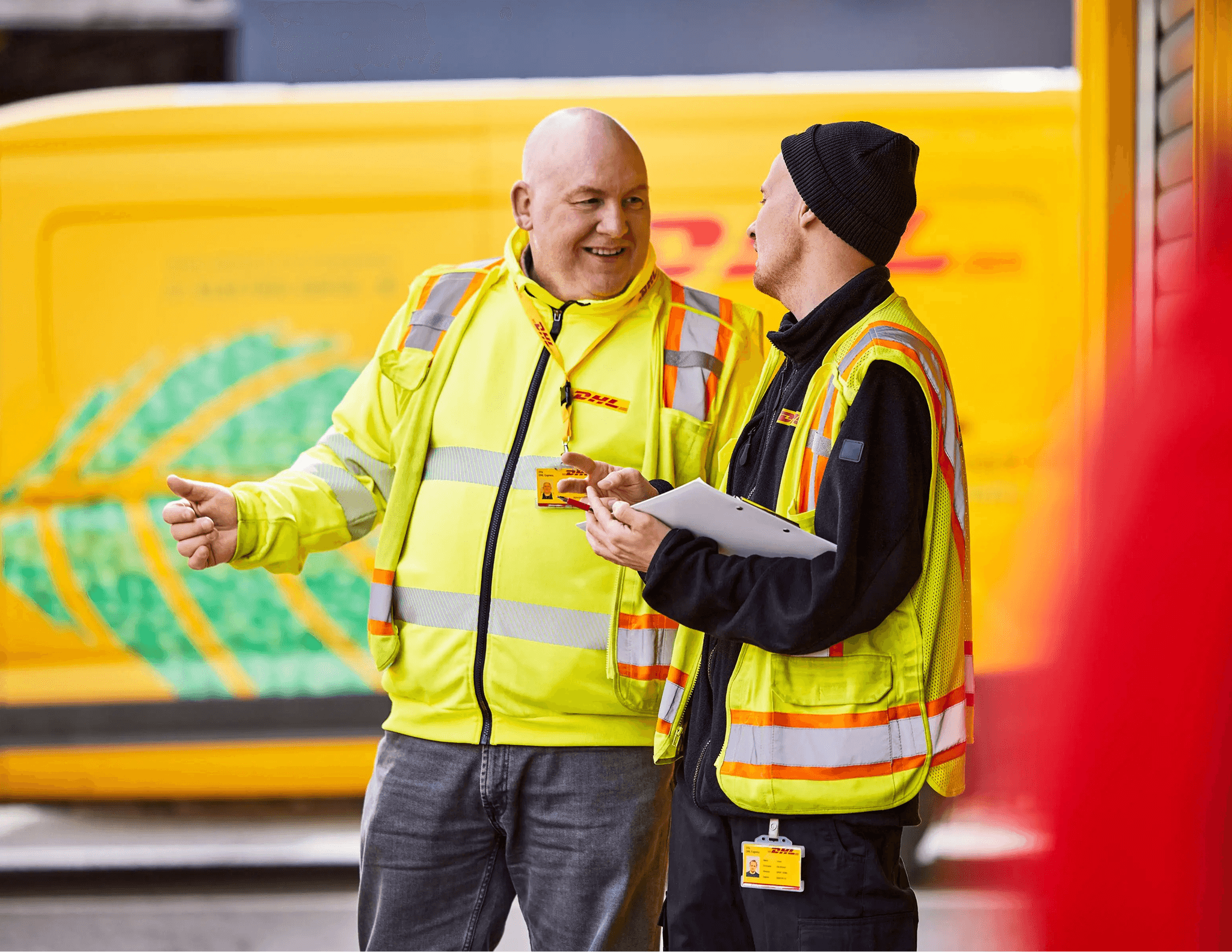
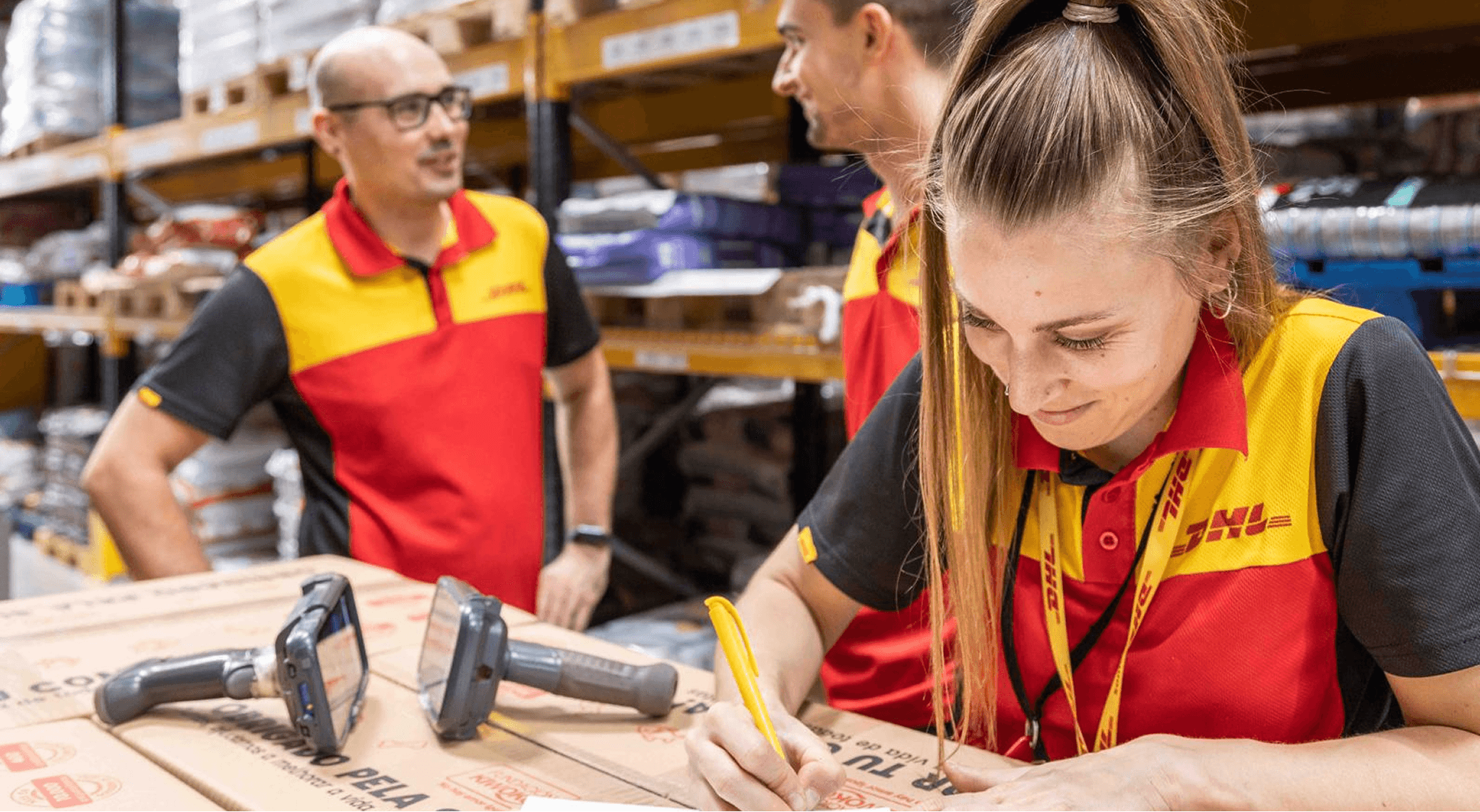
For DHL, one of the world’s largest logistics companies, every shipment must move like clockwork. But that only works when the people on the warehouse floor have the right tools in their hands.
Together with DHL, we designed and built a set of internal apps that make scanning, tracking, and managing shipments faster and easier—tailored to real warehouse conditions and tested right where the work happens.
UX/UI design
(mobile & desktop)
Kotlin Multiplatform
(Android)
Zebra devices
DevOps on Azure

Mission
Simplify warehouse workflows
DHL was looking for a way to streamline day-to-day operations across their warehouses. The goal was to create tools that simplify scanning and tracking shipments on the floor, as well as manage workflows and approvals at desks.
The brief included building a system for Zebra handhelds used by warehouse staff, along with apps for team leads and admins. All parts had to work together smoothly in real warehouse conditions, while respecting clearly defined role-based access across teams.
Challenge
Build tools that work in motion
Warehouses are loud, fast-paced, and built around constant movement. Every second counts. If an app is slow or clunky, it disrupts the entire chain. Add to that the constraint of Zebra devices—Android-based handhelds with tiny screens—and you’ve got a very specific design and development challenge.
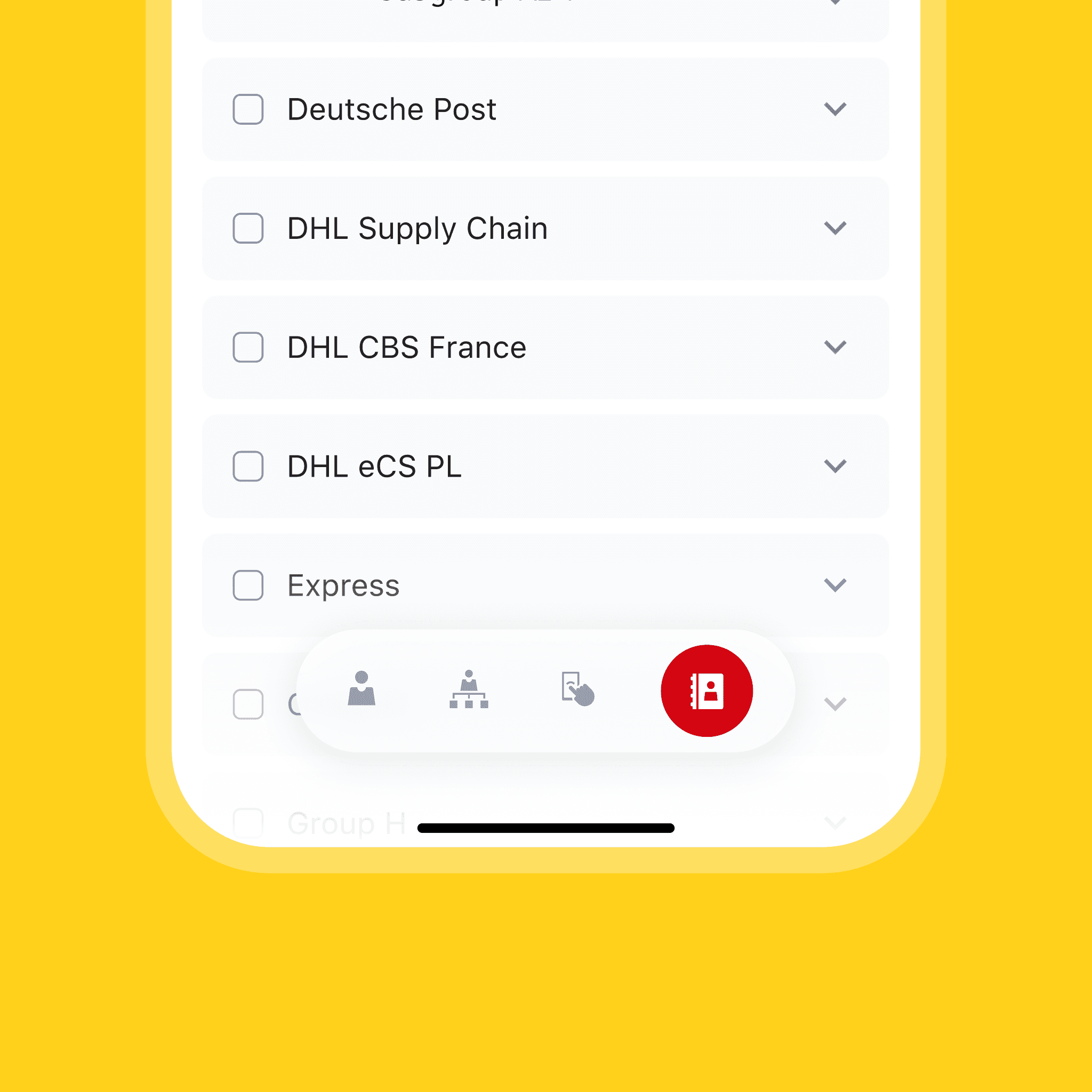
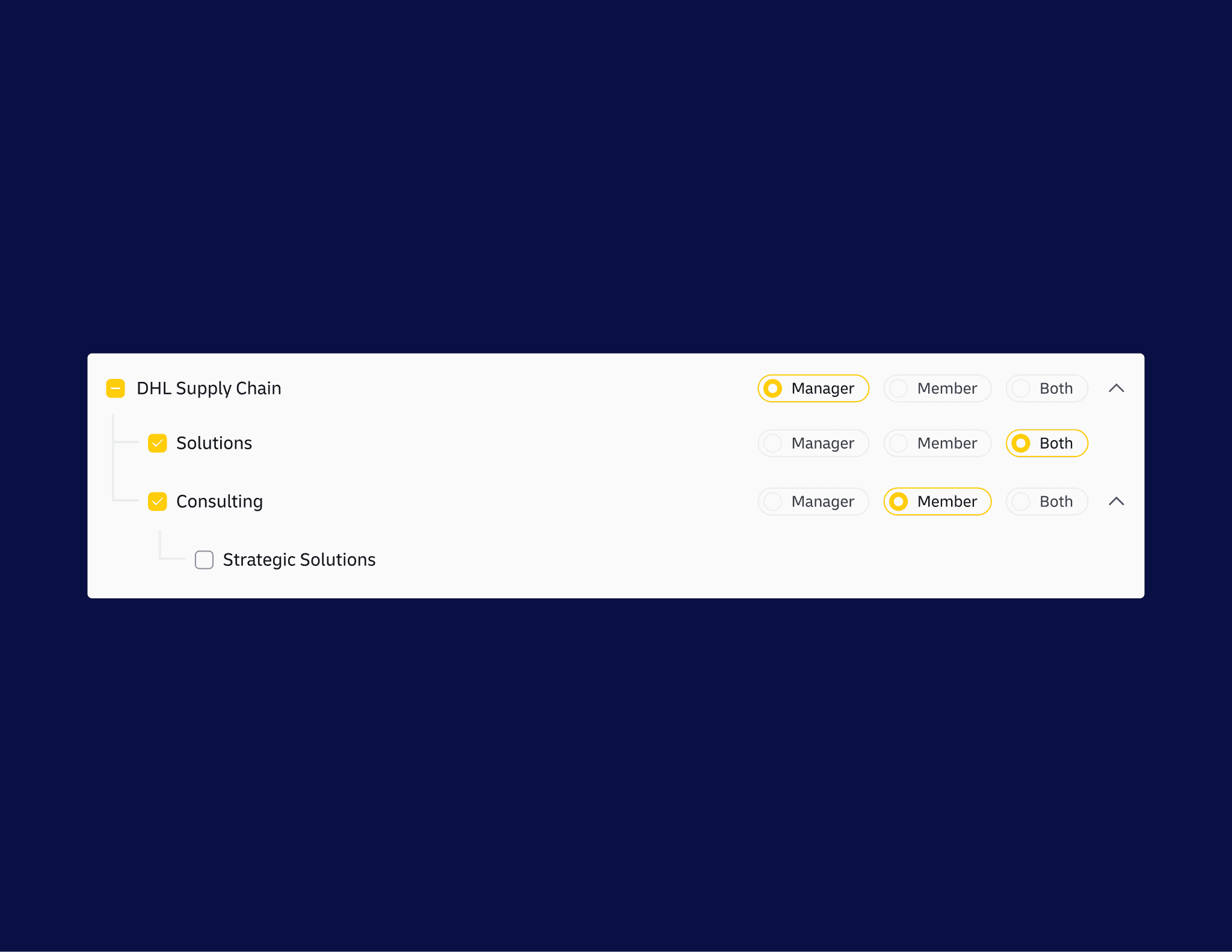
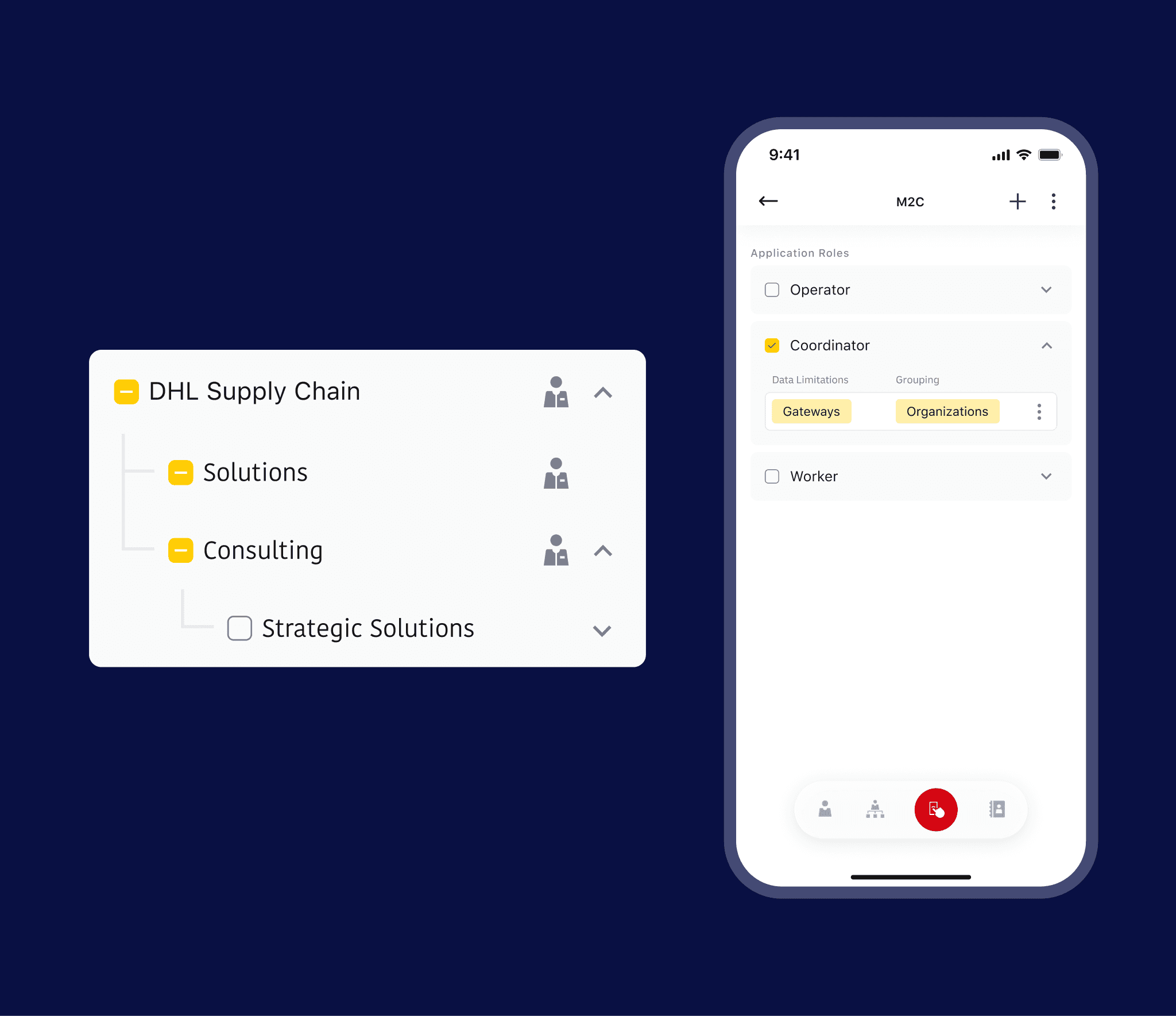
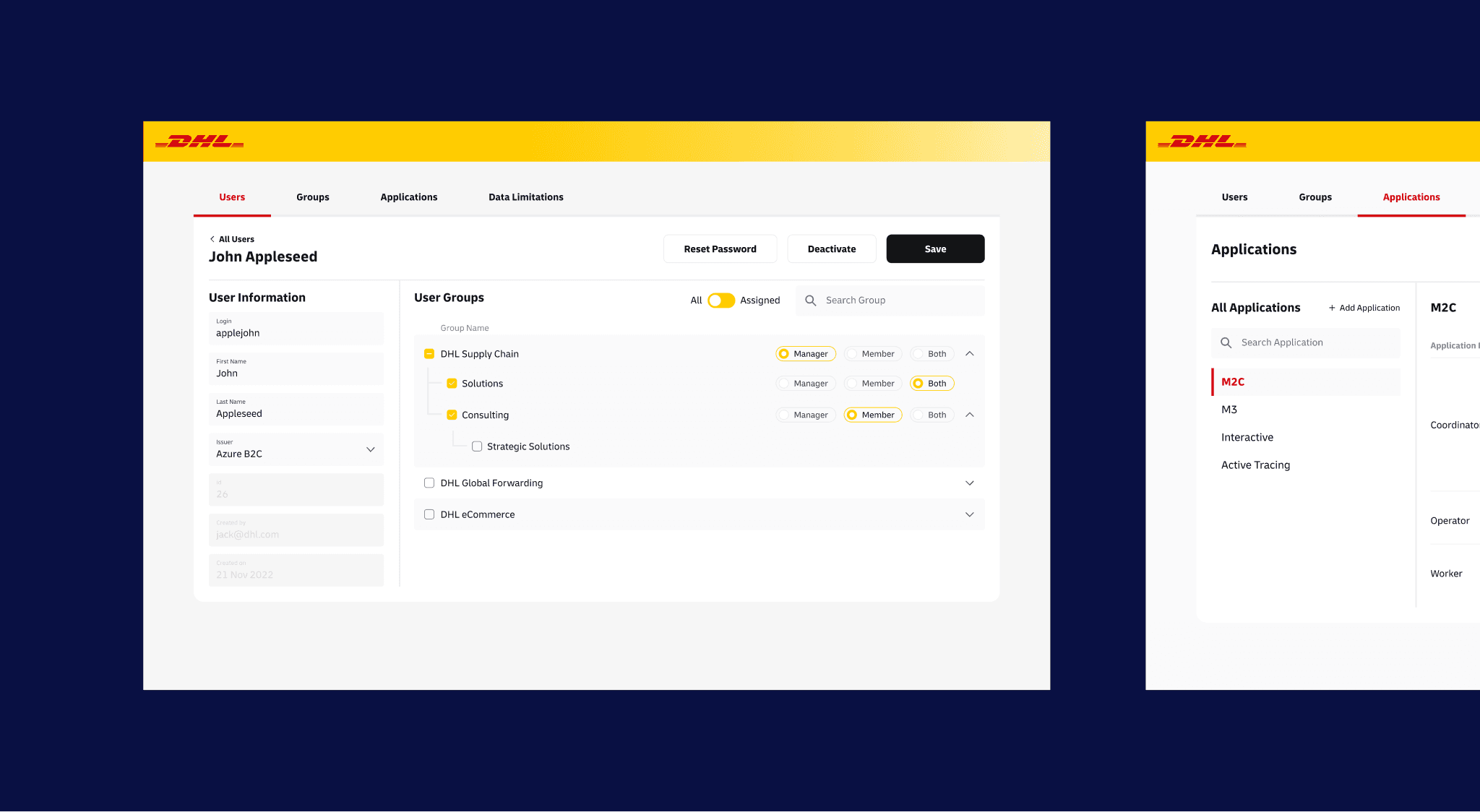
Alongside the warehouse tools, we also worked on a desktop app focused on access and permission management. With clearly defined roles across DHL’s teams, it was essential to design a system that reflected who can view, assign, or approve certain actions, without making everyday tasks harder to navigate.
And to top it off, all of this had to happen within the complex framework of a global enterprise. Even small changes required navigating multiple layers of approval and coordination across teams. We had to align every UX and development decision with corporate policies while still ensuring it all worked in real-world conditions.
Solution
Workflow-driven tools for every role
We started by joining DHL’s product teams, covering design, testing, as well as backend and frontend development. Together, we mapped out how things work (or don’t work) in the warehouse: from scanning parcels to overseeing logistics and administrative processes at desks.
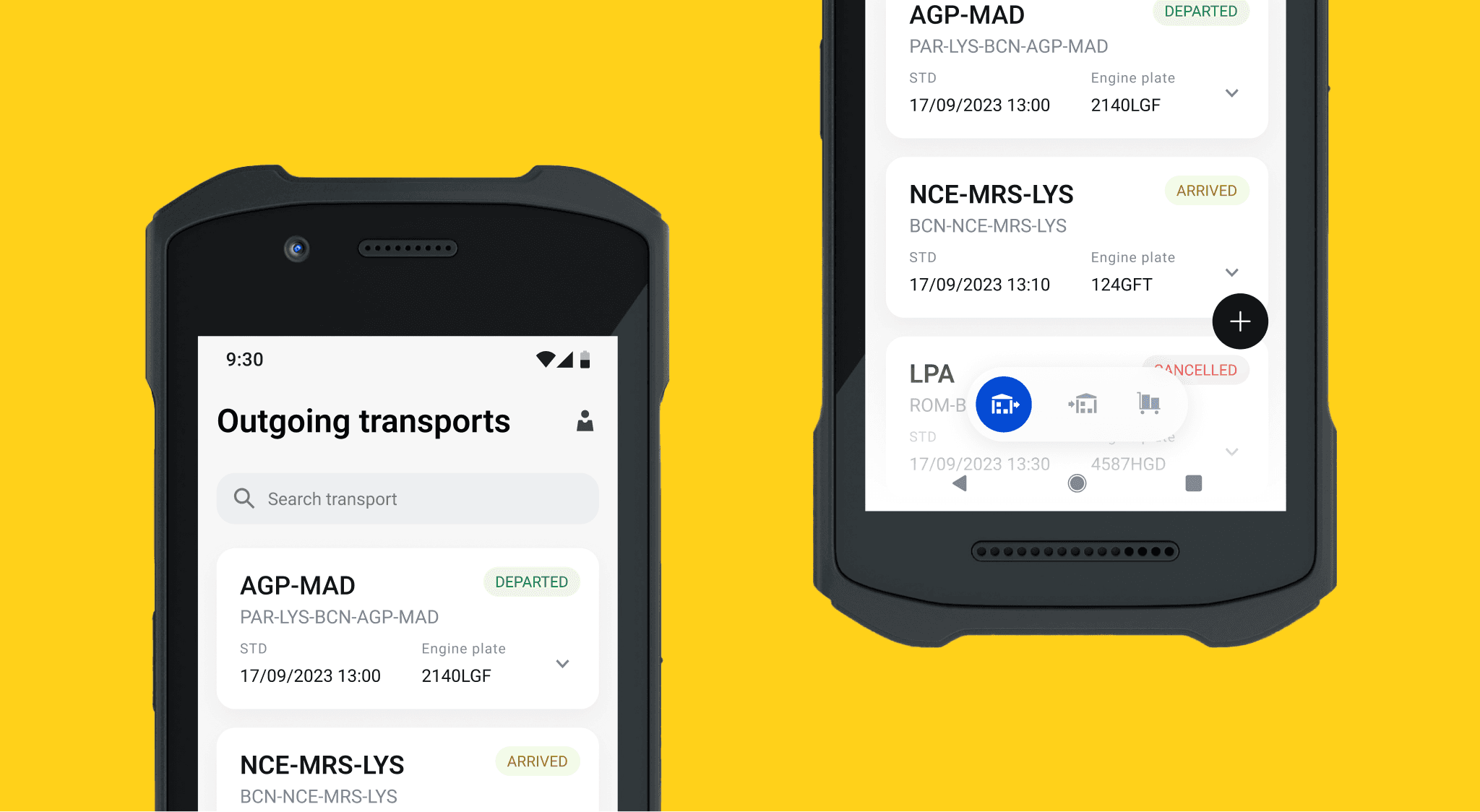
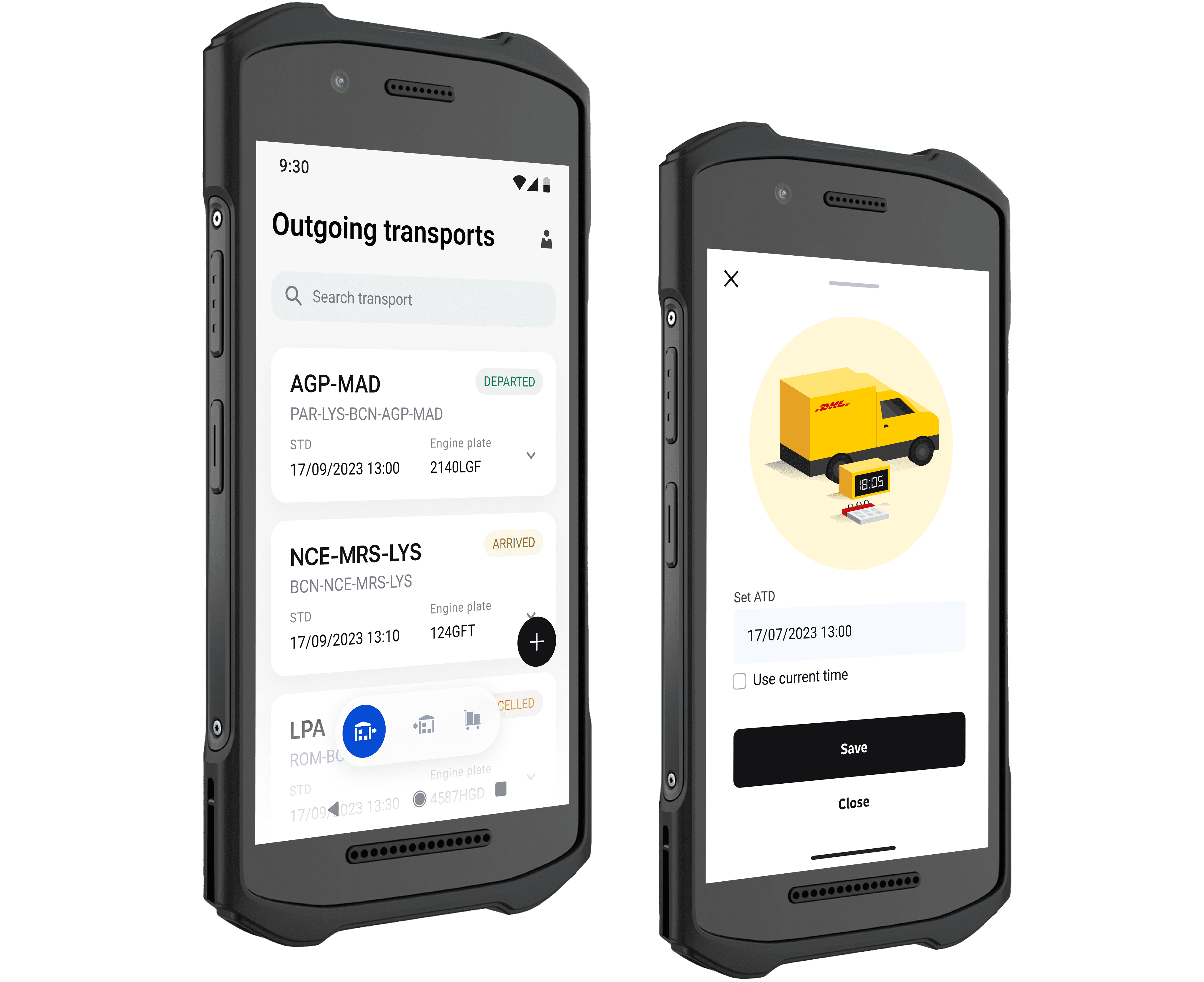
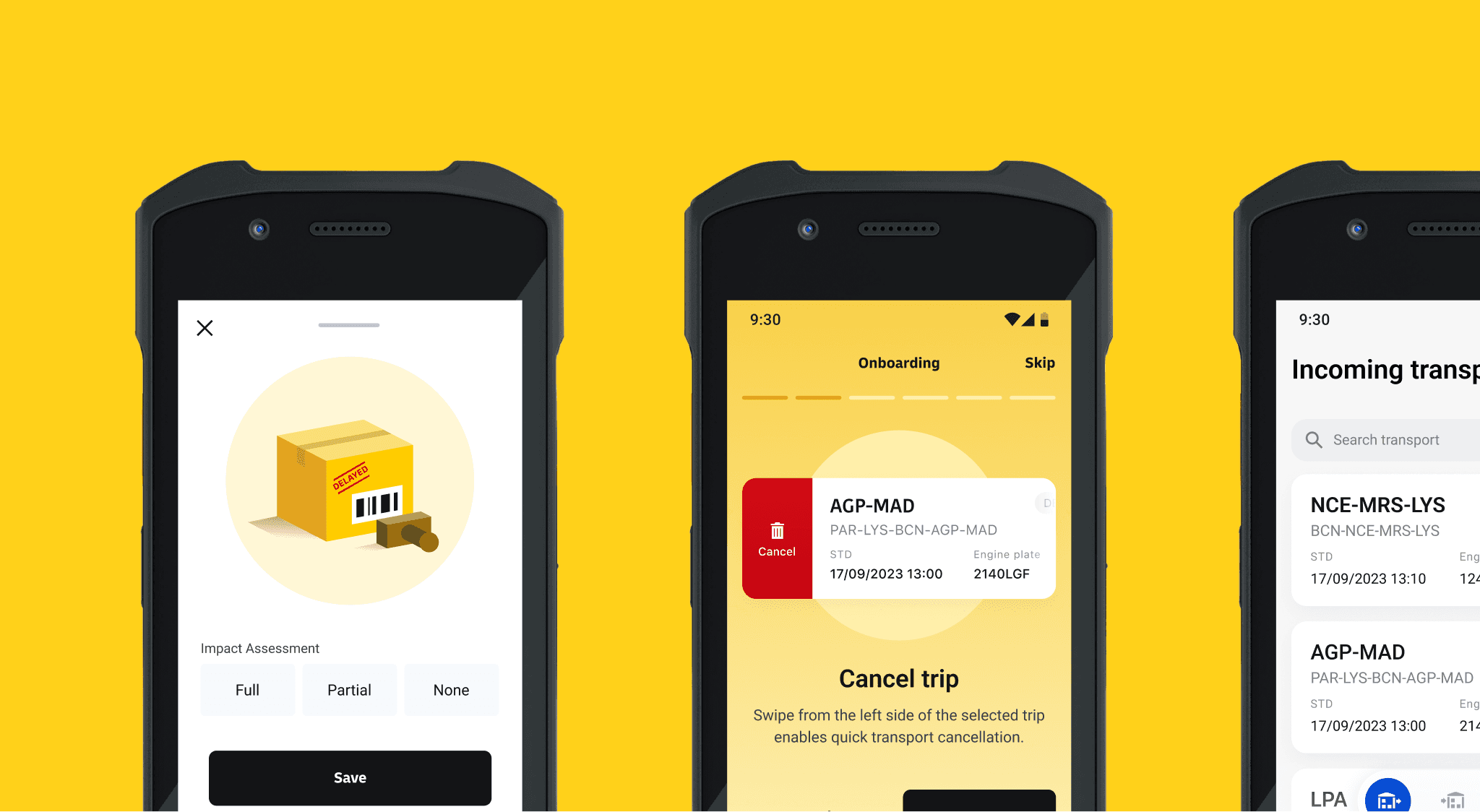
First, we focused on the app for Zebra handhelds designed to scan and track every parcel moving through the warehouse. Before going into the actual development, we spent time carefully defining the product logic and architecture—mapping out key user flows, roles, and system constraints to ensure the app would be easy to use even with gloves on.
Next, we came up with the UX/UI for the web app focused on user access management. This was perhaps the most demanding piece to design: it had to support a massive matrix of permissions across different apps, teams, and roles, while still being intuitive enough for internal admins to navigate daily.
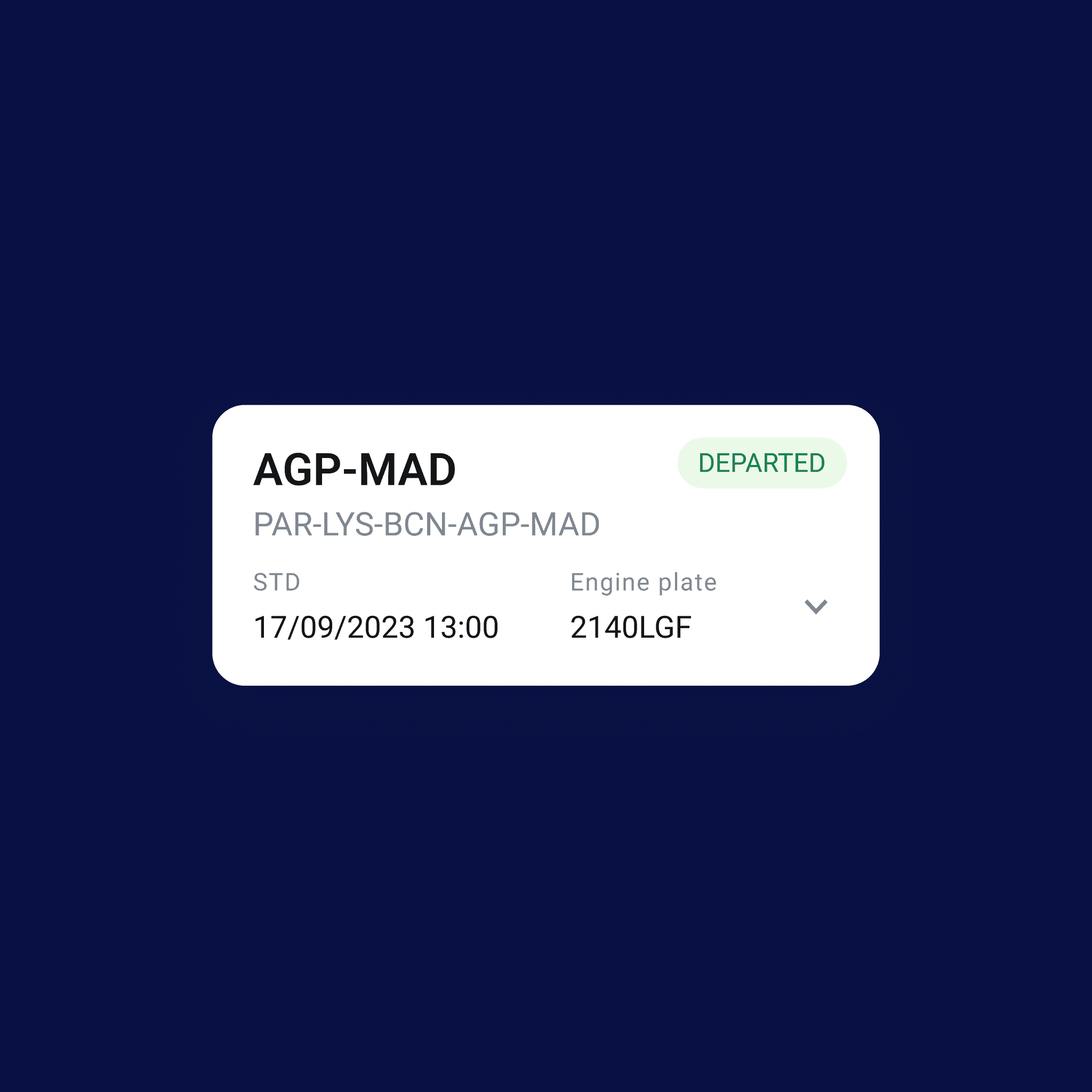
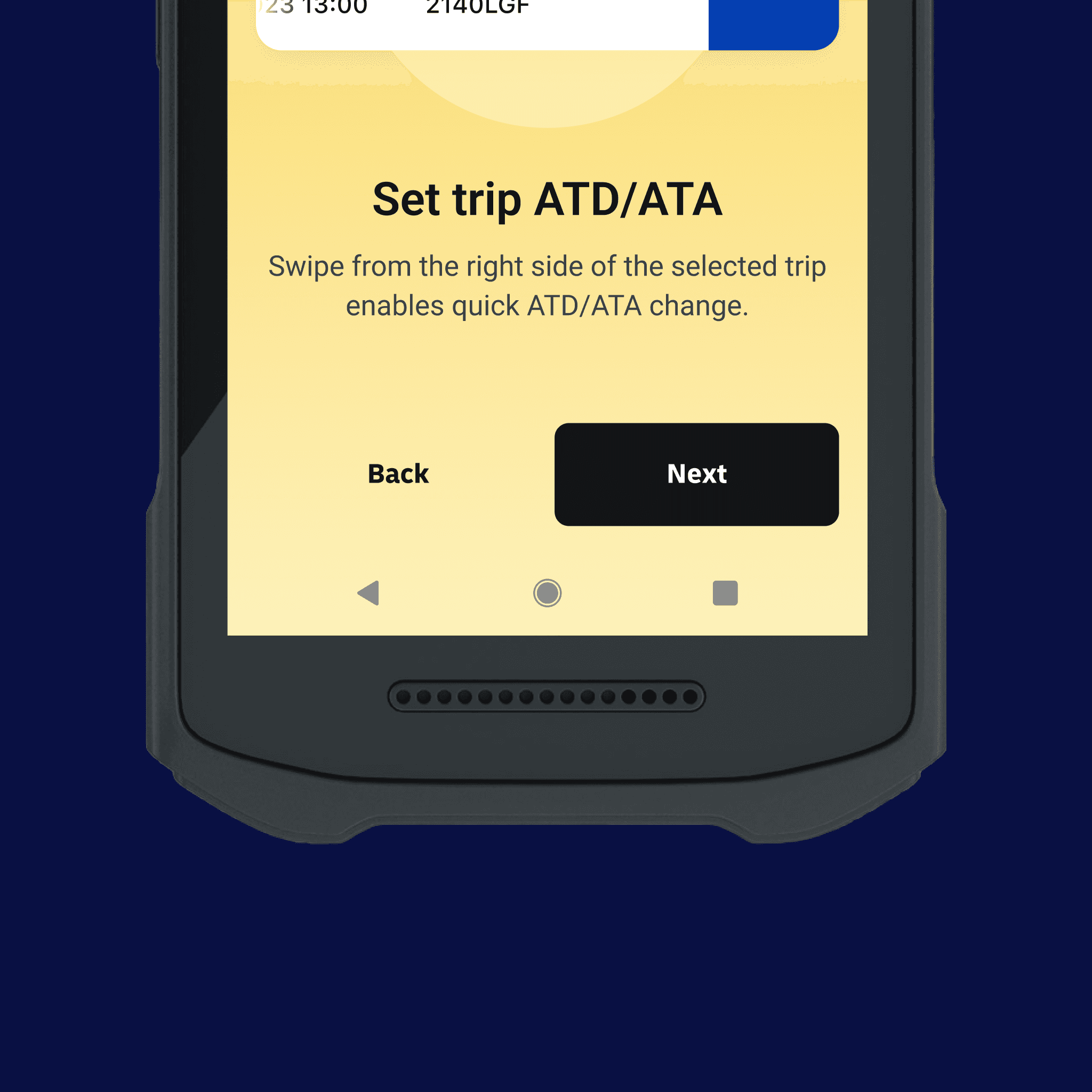
And finally, we designed and developed an app to monitor truck movements and simplify their administration. The focus was on creating a clear and intuitive UX/UI experience even on Zebra devices to help dispatchers stay on top of operations in real time.
Clear communication and a strong foundation in DHL’s original design helped us move quickly. Within a year, we were able to make work easier and more efficient for many of the teams behind DHL’s core operations.